US vs Iran War: Understanding the Conflict Beyond the Headlines

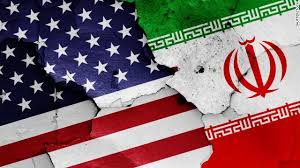
US vs Iran War: Understanding the Conflict Beyond the Headlines
It’s easy to see war as distant news—maps, missiles, and political speeches—but the US–Iran conflict is shaping everyday lives across the world, including here in India.
What Sparked the US–Iran War in 2026?
The current war began on 28 February 2026, when the United States, along with Israel, launched large-scale airstrikes across Iran. These strikes targeted nuclear facilities, military bases, and key leadership structures. The escalation was swift, and within hours, global markets and governments reacted.
The timing was especially sensitive. Talks around Iran’s nuclear programme were still ongoing, and many observers believed diplomacy still had a chance. Instead, the strikes triggered one of the most serious geopolitical crises of the decade.
The Strait of Hormuz is a vital oil route—any disruption here impacts global fuel prices.
Iran responded quickly with missile and drone attacks on US bases and allied targets in the region. It also disrupted shipping through the Strait of Hormuz, one of the most critical oil routes in the world. This single move alone was enough to shake global energy markets.
Why Are the US and Iran Fighting?
Nuclear Concerns
The central issue is Iran’s nuclear programme. The United States fears that Iran could develop nuclear weapons, which would significantly alter the balance of power in the Middle East. Iran, however, maintains that its nuclear efforts are for civilian purposes such as energy.
Regional Influence
Iran has built strong influence across countries like Iraq, Syria, and Lebanon through political and military networks. The US views this as a growing threat to its allies and interests in the region.
Strategic Signalling
There is also a psychological dimension. Both nations are sending signals—not just to each other, but to the world. Strength, deterrence, and reputation play a major role in how decisions are made.
In my view, this is where things often go wrong. When decisions are driven by the need to appear strong rather than to reduce harm, escalation becomes more likely than resolution.
What Is Happening on the Ground?
The conflict is active and evolving. Airstrikes, cyber operations, and missile exchanges continue. Strategic locations such as oil facilities and military bases have been key targets.
- US forces are conducting precision strikes on Iranian infrastructure.
- Iran continues retaliatory attacks using drones and missiles.
- Shipping routes in the Persian Gulf remain under threat.
- Global oil prices have shown sharp fluctuations.
While there have been attempts at ceasefire negotiations, progress has been slow. Each side demands concessions that the other is unwilling to accept immediately.
The Human Side of War
Beyond the headlines, the real impact is on ordinary people.
In cities across Iran, daily life has been disrupted. Power outages, limited internet access, and shortages of essential goods are becoming common. Hospitals are under pressure, and many families are uncertain about what comes next.
Consider a simple moment: a student preparing for exams suddenly hears sirens. Classes are cancelled, transport stops, and communication becomes unreliable. That uncertainty becomes part of daily life.
For Indian readers, this can be compared—loosely—to how life pauses during severe cyclones or floods in coastal cities like Chennai. But in a war, the uncertainty lasts longer and carries far greater risk.
Why This War Matters to India
Fuel Prices
India imports a large share of its crude oil. Any disruption in the Strait of Hormuz can directly lead to higher petrol and diesel prices across the country.
Economic Effects
Rising fuel costs increase transportation expenses, which then affect food prices and everyday goods. Inflation can rise quickly, impacting households and businesses alike.
Indian Diaspora
Millions of Indians live and work in the Middle East. Escalating conflict raises safety concerns and could lead to evacuation operations if conditions worsen.
Diplomatic Balancing
India maintains relationships with both the US and Iran. Navigating this conflict requires careful diplomacy to protect national interests without taking extreme positions.
Could This Conflict Escalate Further?
One of the biggest concerns is escalation beyond current levels. Conflicts like these rarely stay contained.
There are already signs of wider involvement. Regional groups aligned with Iran have engaged in attacks, and multiple countries are closely monitoring or indirectly participating in the situation.
There is also concern about critical infrastructure—energy facilities, ports, and communication systems—which, if targeted, could impact millions of civilians.
History shows that even limited conflicts can grow quickly. Once multiple actors become involved, controlling escalation becomes much harder.
Is There a Path to Peace?
Despite the intensity of the conflict, diplomatic channels are still open. Backchannel talks and international mediation efforts are ongoing.
However, trust remains a major barrier. Both sides are cautious, and domestic political pressures make compromise difficult.
Still, most conflicts eventually move toward negotiation. The challenge is how much damage occurs before that point is reached.
Final Thoughts
The US vs Iran war is not just a distant geopolitical issue—it affects economies, energy security, and human lives across the globe.
It serves as a reminder that in an interconnected world, even distant conflicts can feel very close to home. The hope is that dialogue eventually replaces destruction.

Comments