Latest Trends in Sustainable Fashion in 2026


Fashion is changing — not just in style, but in conscience. In 2026, sustainability is no longer a niche preference; it is quietly becoming the new normal.
What Sustainable Fashion Really Means Today
Sustainable fashion refers to clothing designed, produced, and consumed with environmental and social responsibility in mind. But in 2026, the definition has matured. It’s no longer just about using organic cotton or avoiding plastic packaging. It’s about rethinking the entire lifecycle of a garment — from soil to store to second life.
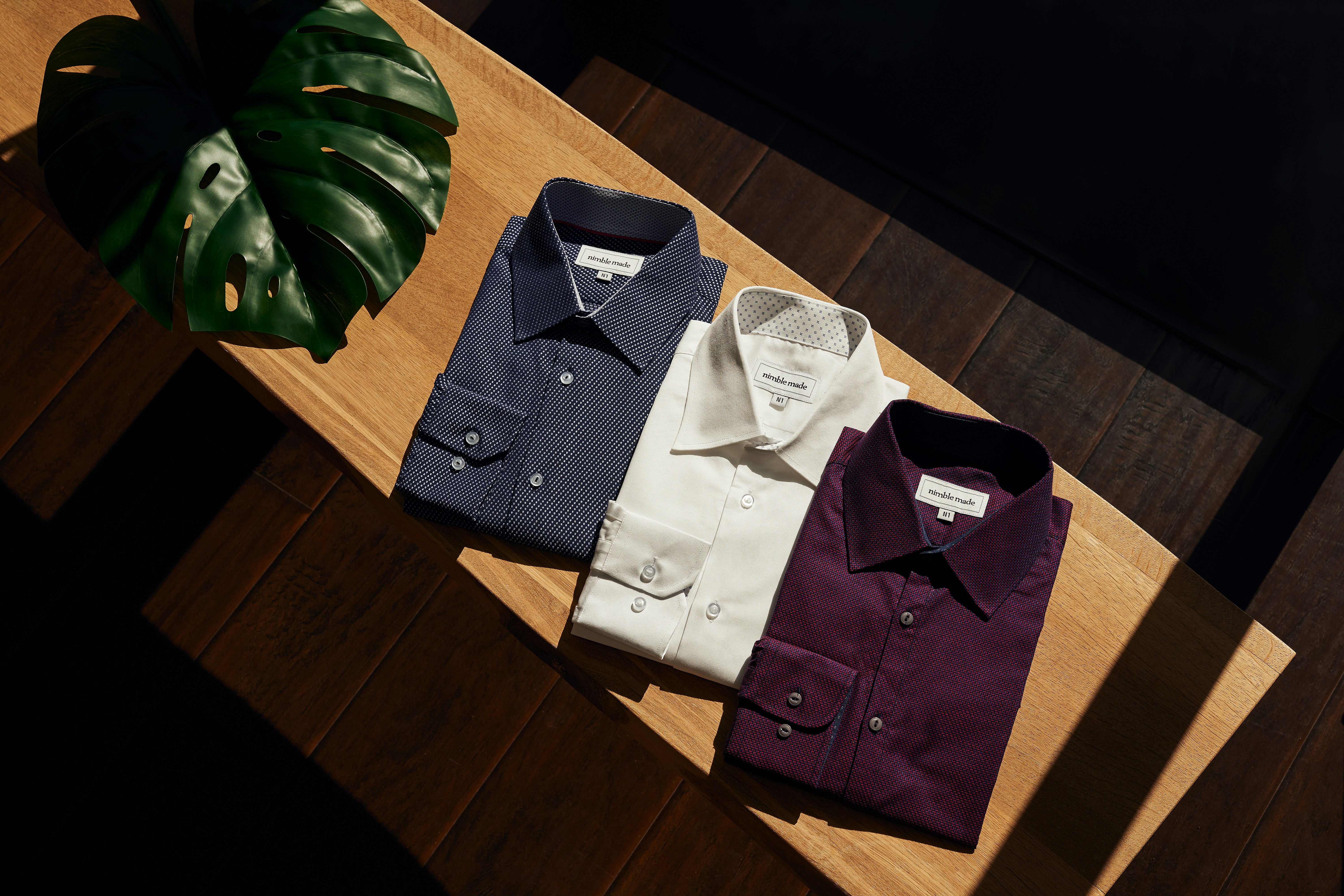
Minimalist collections and earth-toned fabrics have become visual symbols of the sustainability shift.
In India especially, this shift feels both modern and familiar. Long before “eco-friendly” became a marketing term, households reused sarees as curtains, quilts, and cleaning cloths. Sustainability was practical wisdom. Today’s trends are, in many ways, a tech-enabled return to that mindset.
1. Circular Fashion Is Becoming Mainstream
The biggest structural change in fashion is the move towards circularity. Instead of the old “buy, wear, discard” model, brands are designing clothes that can be repaired, resold, or recycled.
Resale and Thrifting Platforms
Pre-loved fashion is no longer a quiet corner of the internet. Young urban Indians are proudly showcasing thrift finds on Instagram. College students in Delhi and Mumbai now swap outfits for festivals rather than buying new ones every time.
What changed? Social perception. Wearing something twice is no longer unfashionable — wastefulness is.
Take-Back and Recycling Programmes
Retailers are introducing take-back systems where customers return old garments for store credit. These items are either refurbished, resold, or broken down into fibres for new collections. While not perfect, it is a step towards reducing landfill overflow.
2. Next-Generation Sustainable Materials
Fabric innovation is accelerating rapidly. Designers are exploring materials that reduce water usage, carbon emissions, and microplastic pollution.

Organic and regenerative fibres are replacing resource-intensive conventional materials.
Regenerative Cotton
Unlike conventional cotton farming, regenerative practices restore soil health and capture carbon. In parts of Maharashtra and Telangana, pilot projects are helping farmers shift towards such methods. The result is healthier soil and more resilient crop cycles.
Plant-Based Alternatives
Bamboo, hemp, banana fibre, and even agricultural waste are being converted into soft, breathable textiles. These materials grow quickly and require fewer chemicals.
Recycled and Bio-Based Synthetics
Recycled polyester made from PET bottles is now common, but innovation is moving further. Bio-based synthetics derived from algae or corn starch are being tested at scale. While costs remain high, the technology is improving each year.
3. Slow Fashion Is Winning Over Fast Trends
Fast fashion’s constant drops and flash sales are losing their charm. Consumers are starting to question the hidden environmental and labour costs behind ultra-cheap clothing.
Last year during Diwali sales, a Bengaluru-based software engineer told me she abandoned her online cart after realising she didn’t truly need those five discounted tops. Instead, she bought one well-made handloom kurta from a local brand. “I’ll wear this for years,” she said. That small decision reflects a larger cultural shift.
Capsule wardrobes — small collections of versatile, high-quality pieces — are trending. The idea is simple: fewer items, more combinations, longer usage.
4. Radical Transparency in Supply Chains
Consumers now demand to know where their clothes come from. Transparency has become a competitive advantage.
Traceability Technology
Digital tracking tools allow brands to map a garment’s journey from farm to factory to store. QR codes on labels reveal sourcing details, factory standards, and carbon footprints.
Ethical Labour Standards
After years of scrutiny around garment worker safety, brands are increasingly publishing supplier audits and fair wage commitments. This accountability is essential. Sustainability without ethical labour is incomplete.
5. Artisan Revival and Local Production
One of the most encouraging trends in India is the revival of traditional textile crafts. Consumers are rediscovering the value of handwoven fabrics, natural dyes, and region-specific techniques.

Handloom weaving connects sustainability with cultural preservation.
Handloom clusters in states like West Bengal, Gujarat, and Tamil Nadu are collaborating with modern designers to create contemporary silhouettes using traditional skills. These partnerships support livelihoods while offering unique alternatives to mass-produced clothing.
In my view, this blend of heritage and innovation is one of the strongest sustainable fashion movements in India. It protects culture and reduces environmental strain at the same time.
6. Fashion Rental and Subscription Models
Owning every outfit you wear is no longer necessary. Rental platforms are thriving, particularly for weddings and festive events.
Instead of purchasing a heavily embroidered lehenga that may be worn once, many consumers now rent premium outfits for a fraction of the cost. This reduces textile waste and makes high-quality fashion more accessible.
Subscription wardrobes are also emerging. Customers rotate curated pieces monthly, keeping their style fresh without accumulating clutter.
7. Tech-Enabled Sustainable Production
Technology is quietly reshaping manufacturing processes.
Waterless Dyeing
Traditional dyeing consumes enormous amounts of water. New methods use air-based or digital dyeing systems to dramatically reduce water waste.
AI-Driven Demand Forecasting
Artificial intelligence helps brands predict demand more accurately, reducing overproduction — one of the industry’s biggest environmental issues.
This intersection of AI and sustainability is particularly exciting for India’s growing startup ecosystem. Tech talent combined with textile heritage creates powerful opportunities.
Challenges That Remain
Despite progress, sustainable fashion still faces obstacles. Higher production costs often mean higher retail prices. Certifications can be confusing. Greenwashing — misleading sustainability claims — remains a serious concern.
Affordability is especially important in price-sensitive markets like India. True sustainability must scale beyond premium urban consumers to become genuinely transformative.
Conclusion
Sustainable fashion in 2026 is practical, tech-driven, and increasingly personal. From circular systems and regenerative fibres to artisan revival and rental wardrobes, the industry is evolving with purpose. It may not be perfect yet, but the direction is clear — and that alone makes this one trend worth investing in.
Comments