Laila and Majnun: A Love Story That Refused to Be Practical

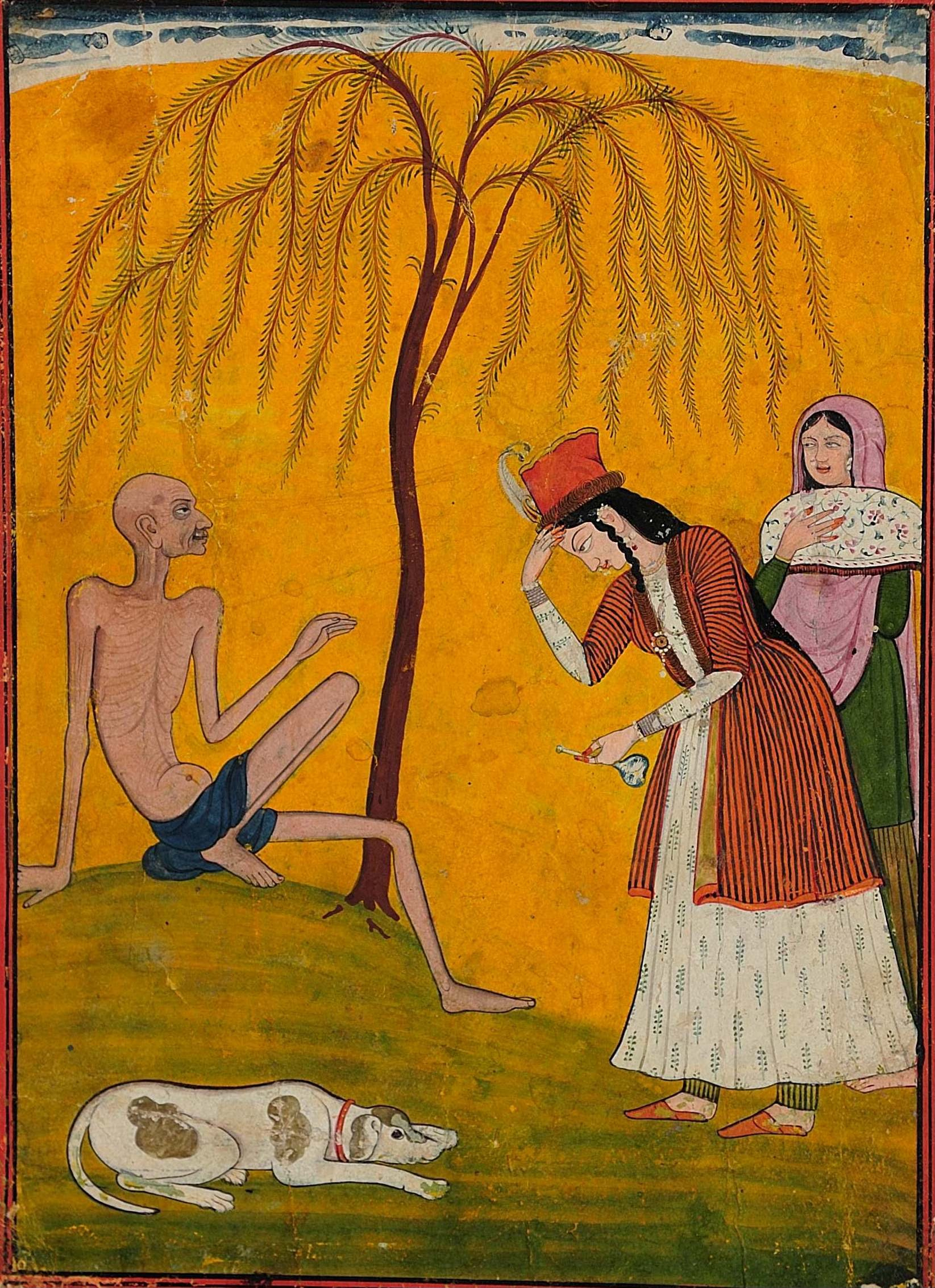
Some stories survive because they are entertaining. Others survive because they are true to human emotion. Laila and Majnun belongs to the second kind. Even after centuries, people still see themselves in this story.
Who Were Laila and Majnun?
The legend comes from Arabic and Persian literary traditions, and it later spread across South Asia through poetry, music, and oral storytelling. Majnun, whose real name is often given as Qays, falls deeply in love with Laila. His love becomes so absolute that society labels him "Majnun," meaning someone possessed or mad.
This is the first reason the story remains powerful: it shows what happens when private love becomes public spectacle. People around them do not see two individuals with emotional depth. They see a social problem that must be managed.
Why The Story Feels Modern
It is easy to assume old love stories are distant from modern life. But Laila and Majnun feels current for at least three reasons.
- Social pressure: Families and communities still influence who people can love.
- Reputation politics: Public image often matters more than personal truth.
- Emotional isolation: Deep feeling is still misunderstood as weakness or instability.
If you remove the desert setting and classical language, the emotional architecture is familiar. Two people care for each other. External systems decide that this care is inconvenient. The system wins, but at a cost.
Love Versus Structure
In many retellings, the tragedy is not caused by betrayal between Laila and Majnun. It is caused by structure: tribe, honor, status, marriage expectations, and fear of social shame. That distinction matters.
When stories blame only individual mistakes, readers can walk away and say, "That would never happen to me." But when stories expose structural pressure, readers recognize something more uncomfortable: personal values are often constrained by collective rules.
Laila and Majnun therefore becomes more than romance. It becomes a cultural mirror. It asks: How much freedom do people truly have when emotional life conflicts with social order?
The Psychology of Majnun
Majnun is usually represented as consumed by love, wandering, writing poetry, and living on the edge of society. In modern terms, readers may interpret this as obsession, grief, or total identity fusion with another person.
But classical poetry frames his state differently. Majnun is not only heartbroken; he is transformed. Love becomes his method of seeing the world. In this reading, the story is not only about losing someone. It is about becoming someone else through intense emotional truth.
This is why artists, mystics, and poets kept returning to the tale. It operates both as human romance and as symbolic longing for something absolute.
The Voice of Laila
Modern readers also revisit the story to ask a necessary question: where is Laila's agency? In some versions, her voice is constrained by the norms of her era. In others, she resists quietly through words, memory, and refusal to emotionally surrender to arrangements imposed on her.
Reading Laila carefully changes the story. It stops being only about a man who loved too much. It becomes a story about a woman trapped between personal feeling and institutional control. That framing makes the narrative sharper, and more relevant.
South Asian Resonance
Across India and Pakistan, the story entered qawwali, folk singing, stage drama, and cinema. It merged with regional storytelling styles and emotional vocabulary. Like Heer-Ranjha or Sohni-Mahiwal, Laila-Majnun became shorthand for love that survives social denial.
That cultural adoption matters because people do not preserve stories by accident. Communities preserve stories that explain recurring emotional conflicts: duty versus desire, family versus self, survival versus authenticity.
What The Story Teaches Today
Laila and Majnun is often remembered as tragic, but tragedy is not the only lesson. The story also offers practical insight for modern relationships:
- Love is not enough without social safety. Emotional commitment needs supportive conditions.
- Silence has consequences. When people cannot speak openly, conflict moves underground.
- Reputation can be violent. Respectability politics can damage real human lives.
- Emotional literacy matters. Societies that mock vulnerability create preventable suffering.
In that sense, this old tale is not old at all. It remains a living framework for understanding present-day emotional struggle.
Conclusion
Laila and Majnun endures because it is not merely about two historical figures. It is about the tension between what people feel and what systems permit. Every generation rediscovers this tension in its own language. That is why this story still moves readers, listeners, and lovers who are trying to stay honest in a world that often rewards performance over truth.
Comments