The Indian Air Force: Guardians of the Skies

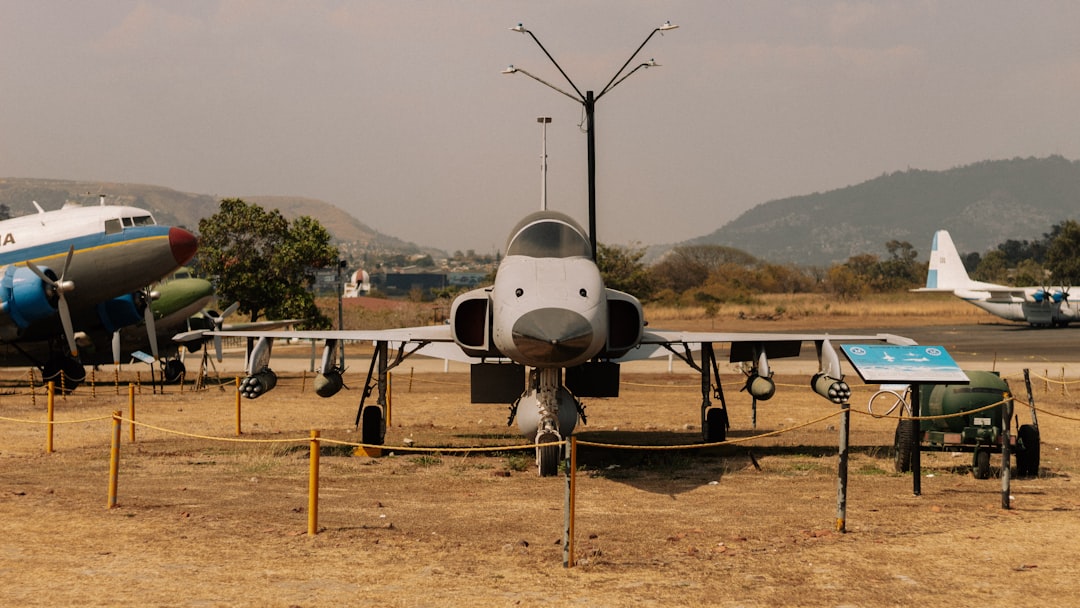
The Indian Air Force (IAF) stands as one of the most formidable and technologically advanced air forces in the world, protecting the nation’s skies with courage, discipline, and innovation.
Origins and Evolution
The Indian Air Force was officially established on 8 October 1932 as an auxiliary air force under British rule. Its early years were modest, starting with a small fleet of Wapiti biplanes and just a handful of Indian officers. However, after India gained independence in 1947, the IAF rapidly expanded, playing a decisive role in defending the new nation.
From its participation in the 1947–48 Kashmir conflict to major operations in 1965, 1971, and the Kargil War of 1999, the IAF has evolved from a supporting arm of the army to a full-spectrum strategic force capable of offensive and defensive operations across land, sea, and air.
Structure and Command
The IAF is commanded by the Chief of the Air Staff (CAS), who reports directly to the Chief of Defence Staff and the Ministry of Defence. It operates under seven commands—five operational and two functional. The operational commands are Western, Eastern, Central, Southern, and South Western, each responsible for defending a specific region of India’s vast airspace. The Training Command and Maintenance Command ensure personnel readiness and equipment reliability.
Aircraft and Technology
The IAF’s fleet showcases a blend of advanced indigenous and imported aircraft, reflecting India’s growing self-reliance and global partnerships. The force operates powerful fighter jets such as the Sukhoi Su-30MKI, Rafale, Mirage 2000, and Tejas Light Combat Aircraft (LCA). Transport aircraft like the C-17 Globemaster, C-130J Super Hercules, and An-32 handle heavy lift and logistics roles, while the IL-78 provides in-flight refuelling support.
India’s indigenisation push has been driven by organisations like HAL (Hindustan Aeronautics Limited) and DRDO (Defence Research and Development Organisation). The Tejas programme, the upcoming Advanced Medium Combat Aircraft (AMCA), and UAV projects mark important milestones in India’s aerospace journey.
Training and Excellence
The IAF’s strength lies not only in its machines but also in its people. Air warriors undergo rigorous training at institutions like the Air Force Academy in Dundigal and the National Defence Academy in Pune. From pilot cadets to engineers and ground crew, discipline and professionalism form the bedrock of IAF culture.
Air exercises like ‘Vayu Shakti’ and international collaborations with the United States, France, and the UK strengthen operational experience. These exercises simulate real-world combat, humanitarian, and disaster relief missions, ensuring the IAF remains combat-ready under any scenario.
Humanitarian Missions and Global Role
Beyond combat, the Indian Air Force plays a crucial role in humanitarian and disaster relief operations. Whether it’s rescuing civilians during floods, earthquakes, or evacuating Indians from war-torn regions through operations like ‘Operation Rahat’ and ‘Operation Kaveri,’ the IAF has consistently shown its commitment to service beyond the call of duty.
The IAF also contributes to United Nations peacekeeping operations and regional security cooperation, reflecting India’s role as a responsible global power.
Modernisation and Future Vision
The IAF is in a transformative phase, with an emphasis on network-centric warfare, advanced radar systems, and space-based capabilities. The integration of Artificial Intelligence (AI), drones, and stealth technology is redefining air combat strategies. The introduction of new-generation surface-to-air missiles, like the S-400 Triumf system, has significantly bolstered India’s air defence.
Furthermore, collaborations with private industry under the ‘Make in India’ initiative aim to create a robust defence manufacturing ecosystem. Indigenous projects such as the Light Combat Helicopter (LCH) and upcoming stealth fighters will ensure the IAF remains among the elite air forces globally.
Culture, Values, and Motto
The IAF’s motto, derived from the Bhagavad Gita, is “Nabhah Sparsham Deeptam” — “Touch the Sky with Glory.” This embodies the spirit of fearlessness, dedication, and honour that defines every air warrior. The Air Force Day celebrated on 8 October each year is not only a tribute to the men and women in uniform but also an opportunity to showcase India’s aerial prowess to the world.
Conclusion
The Indian Air Force continues to be a symbol of national pride, technological advancement, and unwavering dedication. As it moves into the future with modern tools and ancient values, the IAF stands ready to defend India’s sovereignty and contribute to peace and stability in the region and beyond.
From the roaring jets that guard the skies to the silent compassion of humanitarian missions, the Indian Air Force remains a true guardian of the nation’s spirit.

Comments